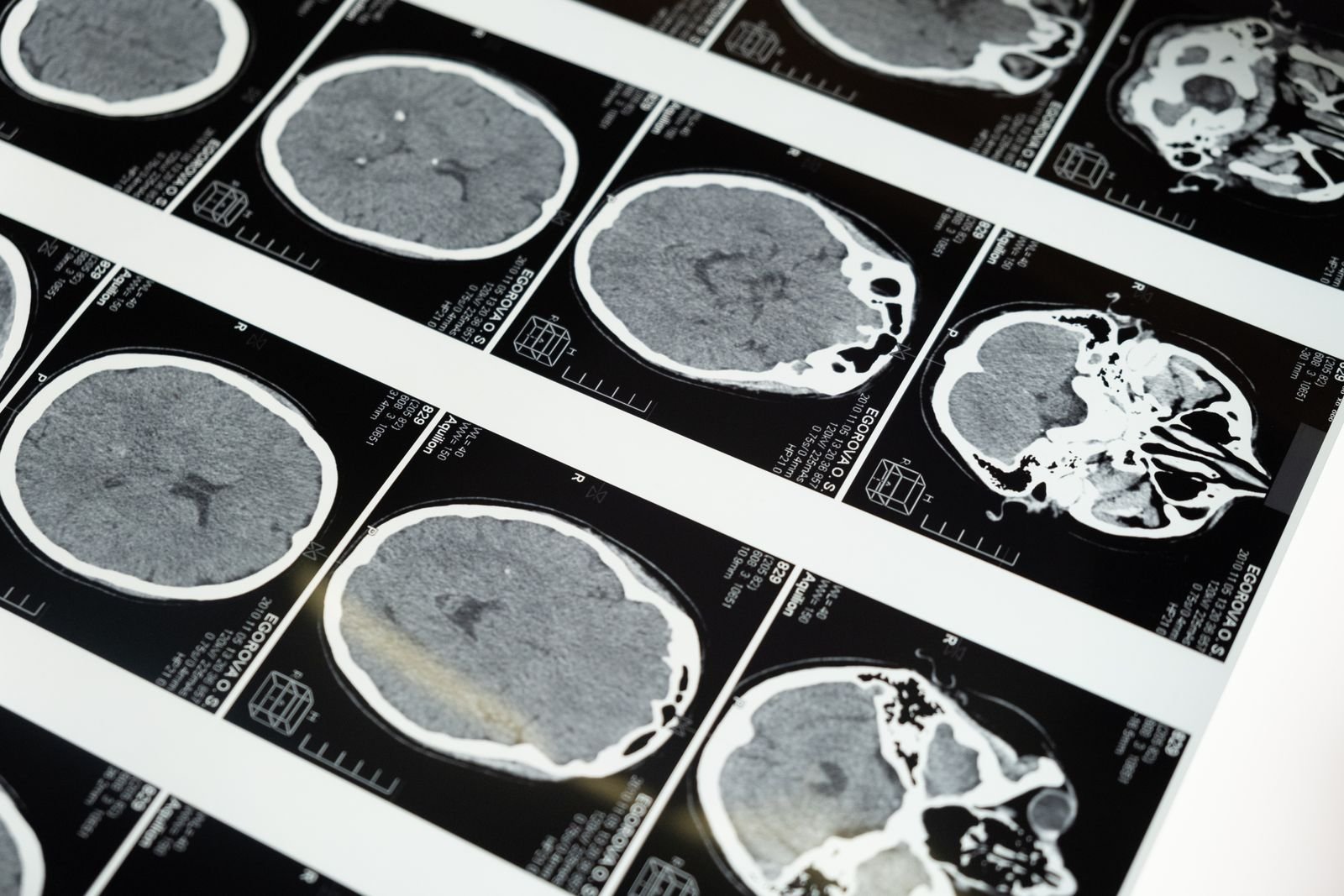
Repetitive transcranial magnetic stimulation (rTMS), studied as a personalized treatment across four conditions.
Overview
Non-invasive stimulation, tailored to the patient
Repetitive transcranial magnetic stimulation (rTMS) uses focused magnetic pulses to modulate specific brain circuits without surgery or drugs. Cody’s clinical research studies rTMS as a personalized therapy, matched to the individual rather than delivered as a fixed protocol.
His body of work centers on personalized neuromodulation, with multiple manuscripts currently under review.
rTMS protocols targeting the neural circuits implicated in mood regulation, as a personalized option for major depressive disorder, including patients who have not responded to medication.
Neuromodulation to support recovery from pediatric concussion and the persistent cognitive and mood symptoms that can follow a mild traumatic brain injury.